11 March 2025
Fact-checking is passé
And we don’t play that way.
Research and facts seem to be becoming less important, partly due to budget cuts in education and the disappearance of fact-checkers from social media platforms. But for us as a creative agency, research is essential. It forms the foundation for effective campaigns and brand strategies that truly resonate with the target audience.
In this article, we explain why research is indispensable and share three concrete ways to use it successfully.
We don’t deal in empty words
How qualitative audience research leads to more effective communication.
Without in-depth insight into societal developments and people’s motivations, we miss the essence of what drives them. In Poverty explained to people with money, Tim ’S Jongers describes how, too often in communication and policy, we rely on assumptions and stereotypes. So why do we continue to stay on our own island? Why do we make so little effort to truly engage with our audience?
That’s why we advocate for the value of audience research. In this article, we explain why (qualitative) audience research is indispensable and share three ways to use it for more effective and inclusive communication.
Why conduct qualitative audience research?
There are two key reasons to conduct research before addressing a communication or program-related issue:
1. Knowing what drives your audience
Whether you want to motivate employees to empty the dishwasher or target a new customer segment, everything starts with understanding your audience. What do they care about? What are their concerns? How do they behave? What barriers do they face? By gaining these insights, you can better address their needs and reach them more effectively.
2. Creating connection
Research is not a one-way street. By actively engaging your audience, you not only gain valuable insights but also build a connection. Asking for feedback or involving them as ambassadors in your story creates a natural bond with your brand or campaign.
Three examples of research
How you approach the research depends on your specific issue. Is the communication challenge already well-defined or still vague?
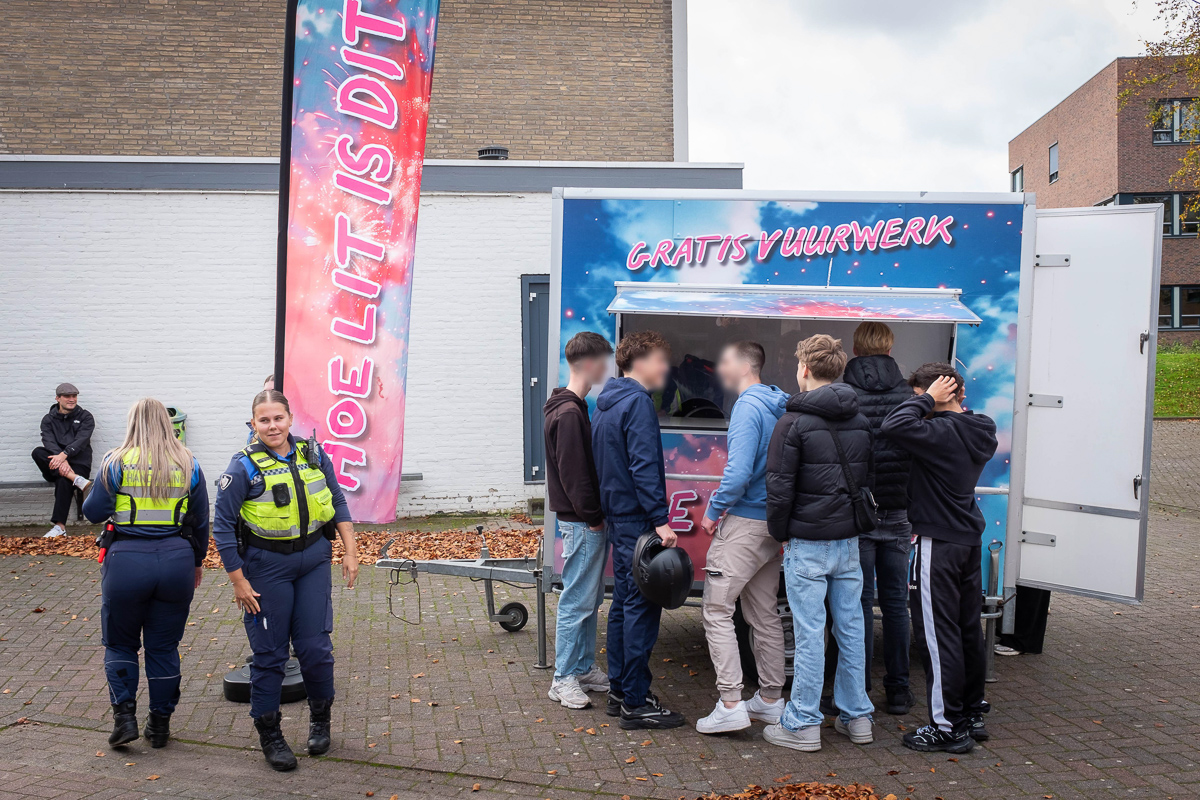
How lit is this?
Question: How can we reach young people to raise awareness about the consequences of fireworks nuisance?
Approach: Conversations with stakeholders and the audience themselves about their motivations. Then testing the campaign concept with the young people.
Together with two municipalities, we researched how to motivate young people to cause less fireworks nuisance. We spoke with youth enforcement officers, teachers, Bureau Halt, and high school students about fireworks. The research revealed that young people between the ages of 10 and 13 are particularly sensitive to the impact of fireworks on animals and the elderly. We used this insight for a campaign that held up a mirror to young people: How lit is this (How cool is this) when your dog is terrified of your fireworks? We also tested the tone of voice and style with the young people.
Read more (in Dutch): https://www.zuiderlicht.nl/nieuws/2025/jongerencampagne-rondom-vuurwerkoverlast
Burenboek Versiliënbosch
Question: How can we engage local residents in the renewal of the neighborhood while preserving its history and atmosphere?
Approach: Archival research, conversations with the Residents’ Council, and in-depth interviews with residents.
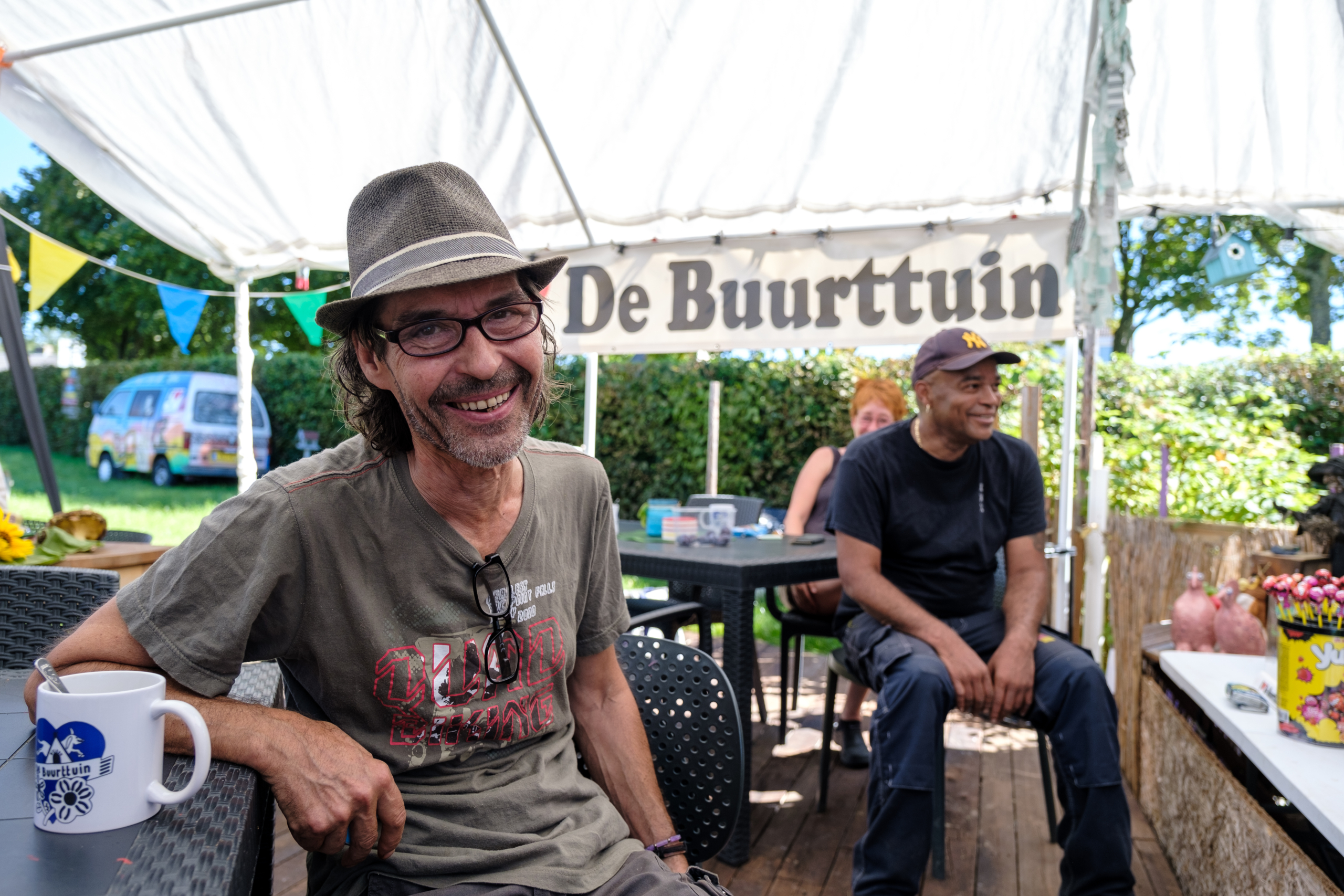
Versiliënbosch has traditionally been a neighborhood with strong connections among its residents. The time has come to renew and make the neighborhood more sustainable. To preserve the neighborhood’s identity, we conducted extensive archival research, highlighting its historical value. We also gathered stories from residents, contributing to the atmosphere and architectural style of the renewed neighborhood. Most importantly, it resulted in a ‘neighborhood book’ that preserves the pride and memories of the residents. The book was ceremoniously presented and became a great starting point for the large-scale renovations.
Read more about: burenboek
City Marketing Sittard-Geleen
Question: How do residents experience a municipality that does not project a clear identity?
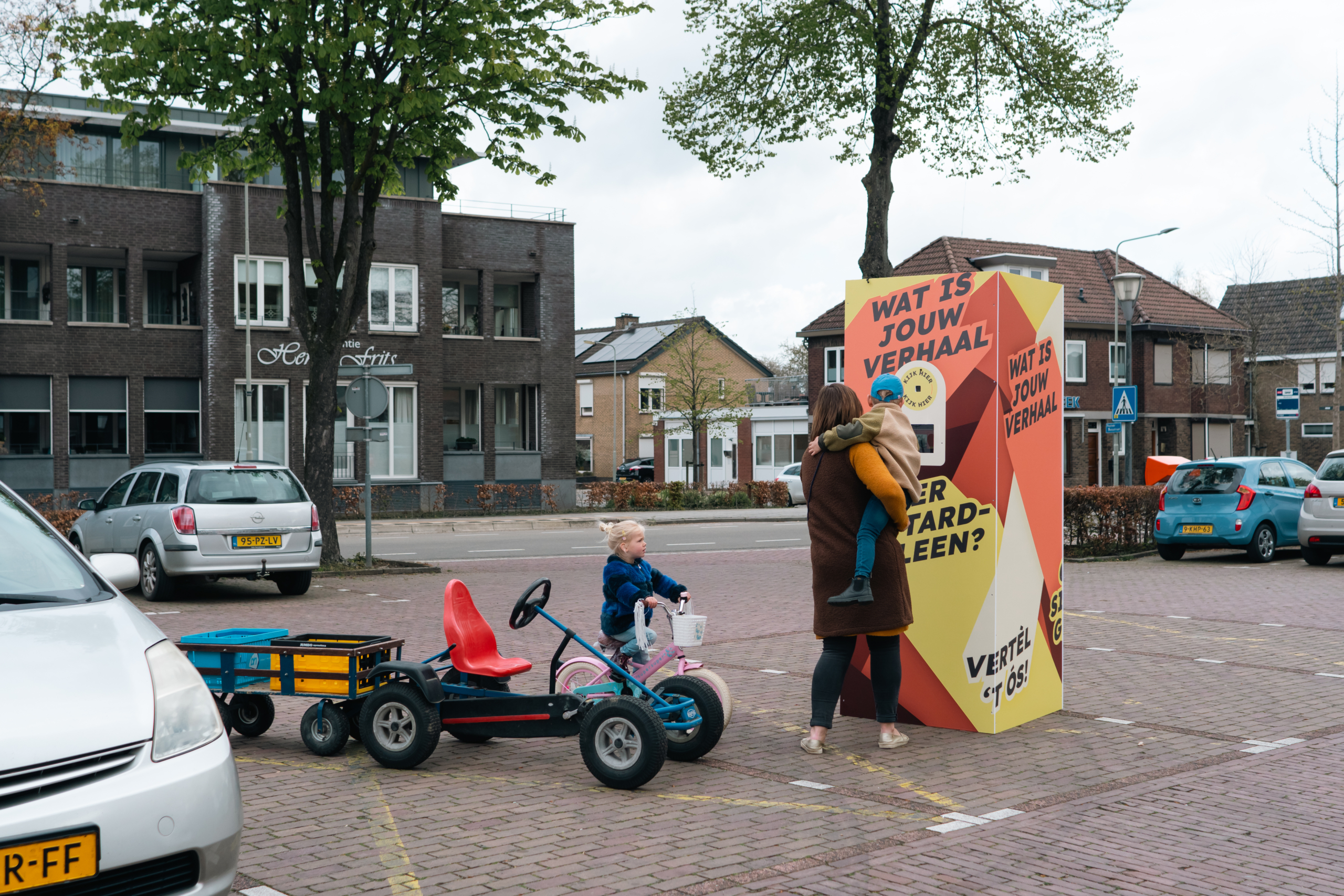
Approach: Artistically guided research in which residents spontaneously respond to images of various locations in Sittard-Geleen without leading questions.
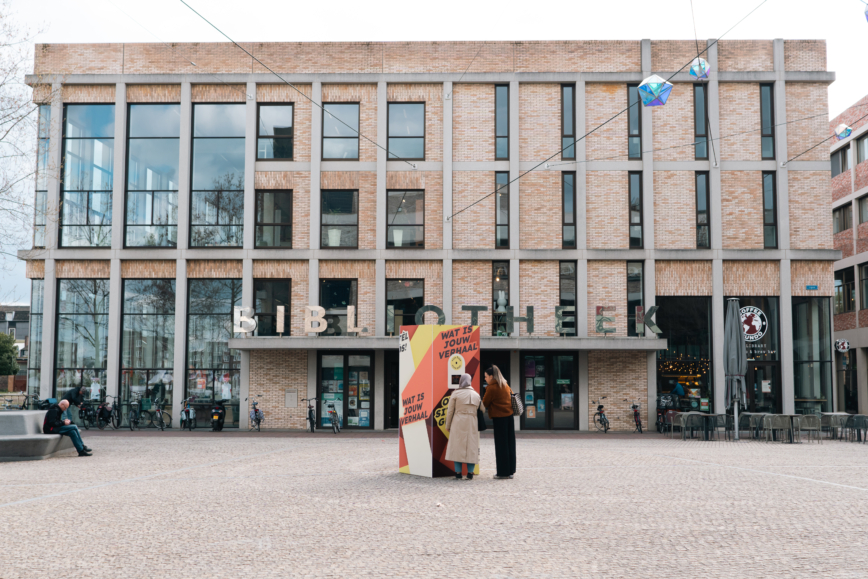
With the question What is your story? Tell us! we hit the streets to engage with residents of Sittard, Geleen, and Born. We used a ‘Babble Box,’ an interactive installation that allowed residents to reflect on different places in their city through images. This provided surprising insights into how residents perceive their city and their connection to the municipality. The Babble Box helped us capture ideas and emotions that were difficult to express in words. We used these insights to make recommendations for the city marketing of Sittard-Geleen.
Audience Research doesn’t have to be complicated or expensive
Research is often skipped due to time or budget constraints, or because people believe they already fully understand their audience. However, even with simple research methods, you can effectively engage your audience. Consider developing personas, conducting short online surveys, or forming a small focus group. Yet, qualitative analysis and in-depth, associative conversations provide the most valuable insights that make our communication more inclusive. Communication materials and campaigns where the audience truly feels recognized and acknowledged. Additionally, it leads to better collaboration.
Qualitative audience research not only makes our work better and more inclusive but also more enjoyable. It allows us to develop campaigns that truly resonate and helps us quickly understand new audiences. So, no more hot air. In future articles, we will highlight other research methods we use.
Want to learn more? Get in touch with us!
Researchers, Consultants, and Copywriters at TD Zuiderlicht