29 July 2024
Why choosing a CMS is still a crucial decision

In today’s digital landscape, where technology constantly evolves and users have ever-increasing expectations, selecting the right Content Management System (CMS) remains a fundamental decision for any business. Despite the abundance of free and paid options, choosing a CMS that meets technical requirements and seamlessly integrates with an attractive and interactive design is essential. This article is all about why this choice is so critical and how it harmonizes with good design.
The importance of choosing the right CMS
A Content Management System is the backbone of your website. It dictates how you create, manage, and present your content. Here are a few reasons why choosing the right CMS is of paramount importance:
User-Friendliness
A good CMS should be intuitive and easy to use for both technical and non-technical users. This ensures your team can work efficiently and respond quickly to changes without needing extensive technical knowledge.
Scalability
Your CMS needs to grow with your business. Whether you’re a small startup or a large enterprise expanding into new markets, your CMS should be flexible enough to meet your evolving needs.
Security
Cybersecurity is a top priority for every business. A reliable CMS offers robust security measures to protect your data from potential threats and attacks.
Support and Community
A CMS with a strong community and good customer support ensures you can get help whenever needed. This ranges from technical support to tips and tricks for maximizing the system’s functionality.
The power of interactive design
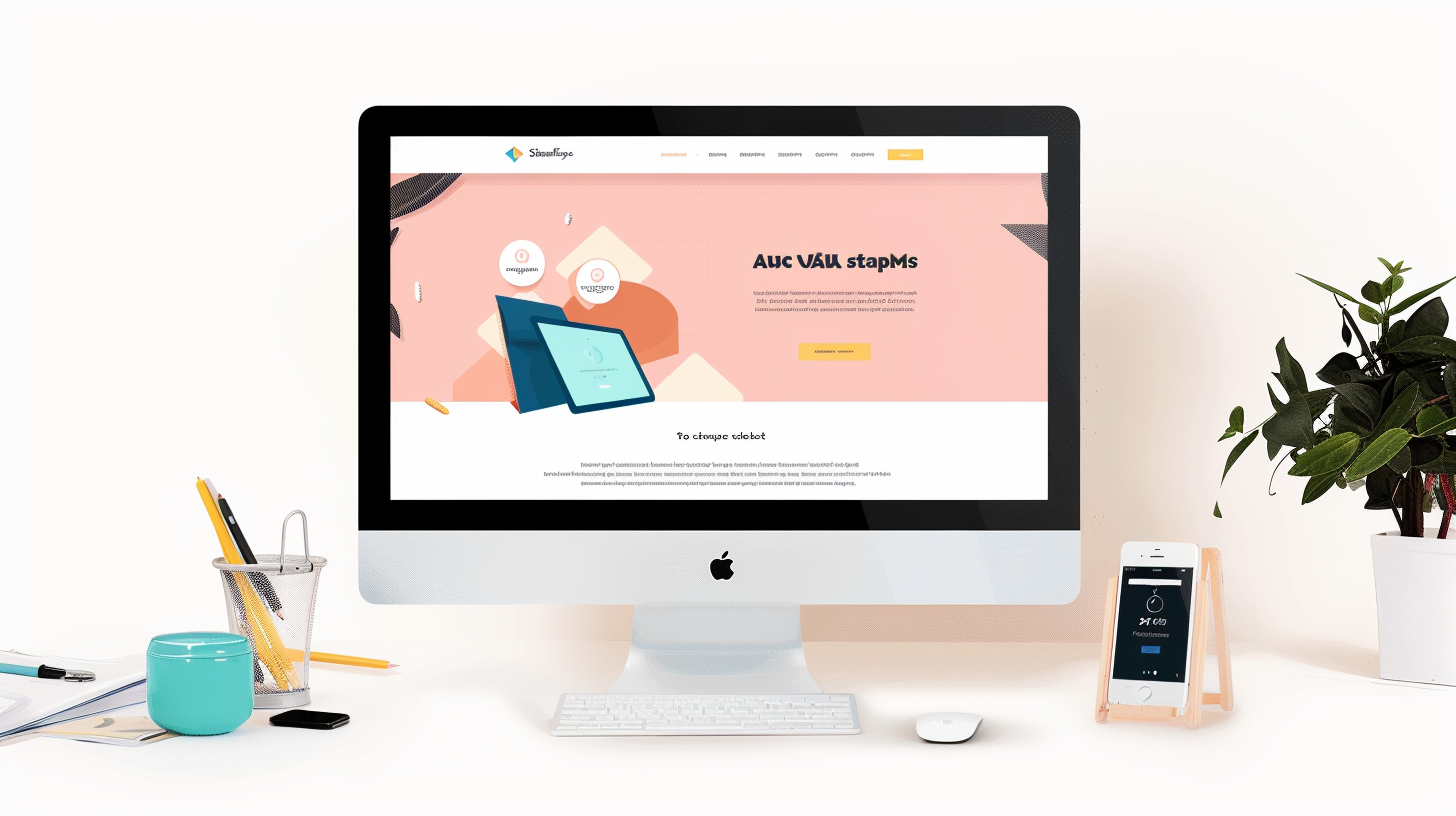
A CMS alone isn’t enough. The aesthetics and usability of your website play a crucial role in how users perceive and engage with your brand. Interactive design can make the difference between a user who leaves quickly and one who feels engaged and keeps coming back.
User Experience (UX)
A good user experience is essential for retaining visitors. An interactive design that is easy to navigate and visually appealing increases the likelihood that users will stay on your site longer and consume more content.
Conversion Optimization
A well-designed website leads to higher conversion rates. This can result in visitors signing up for your newsletter, making a purchase, or contacting you for more information. Every interactive element should aim to guide the user towards these conversions.
Brand Image
Your website is often the first point of contact potential customers have with your brand. A professional, modern, and interactive design enhances your brand image and builds trust with your visitors.
Integrating CMS and Design
The real magic happens when your CMS and interactive design are seamlessly aligned. Here are some best practices to ensure this:
Collaboration between Developers and Designers
From the beginning, developers and designers should collaborate to ensure the chosen CMS fits the desired design. This prevents frustrations and limitations later in the process.
Flexibility and Customization
Choose a CMS that offers flexibility in design adjustments. This means you are not limited to standard templates and have the freedom to create unique, custom designs that distinguish your brand.
Responsive Design
Ensure your CMS supports responsive designs. With the growing number of users visiting websites via mobile devices, it is crucial that your site looks good and functions well on all screen sizes.
Case Study: Successful use of CMS and Interactive Design
An inspiring example of a company that has successfully utilized both a powerful CMS and interactive design is a leading vacation rental platform. They chose a custom CMS that provides the flexibility to continually improve and adapt their platform. Simultaneously, their website is a prime example of interactive design, featuring dynamic maps, personalized recommendations, and a seamless user experience.
The Future of CMS and Design
The future of CMS and web design looks promising. With the rise of AI and machine learning, we can expect CMS systems to become increasingly intelligent and automated. This will not only enhance user-friendliness but also expand possibilities for personalized and interactive user experiences.
Conclusion
Choosing a CMS remains a crucial decision that should not be taken lightly. It is the foundation of your website and plays a significant role in how you manage and present your content. However, a powerful CMS alone is not enough. It must go hand in hand with good and beautiful interactive design to offer an optimal user experience and achieve your business goals.
When looking for a CMS that meets these requirements, consider your options carefully and ensure you select a platform that is both scalable and flexible. Remember, collaboration between your developers and designers from the start is essential for creating a website that is not only functional but also visually appealing and user-friendly.
Invest in a good CMS and strong interactive design, and you will see it pays off significantly in terms of user engagement, conversion rates, and brand image. Let’s shape the future together, taking a step forward in the digital world.
Sources:
• Example of a successful platform